Build Confidence with DIY Soft Skills Lesson Kits

Today we are diving into DIY Soft Skills Lesson Kits, practical and maker-friendly bundles that turn abilities like communication, empathy, collaboration, leadership, and adaptability into tangible, memorable experiences. You will discover how to build, customize, and iterate tools that fit your learners, your context, and your schedule, while collecting authentic evidence of growth. Expect stories, ready-to-use ideas, and a clear path from curiosity to confident facilitation.

Why Soft Skills Thrive with Hands-On Kits

Soft skills grow strongest when learners practice in low-risk, high-relevance environments where mistakes are welcomed and reflection is structured. Portable kits transform theory into lived experiences, offering choice, pacing, and immediate feedback. Educators report higher engagement, improved retention, and surprisingly deep transfer when learners manipulate prompts, co-create norms, and build solutions together rather than simply discussing them.

Core Components to Pack in Every Kit
A strong kit blends scenario cards, role badges, reflection prompts, rubric strips, timers, and debrief maps. Each piece scaffolds behavior, language, and mindset without over-directing. Durable materials matter, but clarity matters more. Components should invite play, encourage iteration, and make learning visible so evidence of growth is captured naturally during authentic interaction, not forced afterward.

Design Frameworks That Keep Lessons Agile

Strong kits benefit from proven frameworks like backward design, Universal Design for Learning, and iterative prototyping. Start with the outcomes you want, then craft evidence and activities that fit. Build flexible pathways so learners access, engage, and express in multiple ways. Pilot quickly, collect feedback, and refine. Agility ensures relevance across ages, cultures, and learning contexts.

Activities That Spark Communication, Empathy, and Teamwork

Mix role-play, silent challenges, debates, design sprints, and community interviews to highlight different facets of soft skills. Vary time frames from micro-drills to extended projects. Calibrate emotional intensity and complexity thoughtfully. Provide visible roles and norms so participation is balanced. Always close with reflection and transfer prompts, connecting insights to upcoming work, home life, or community opportunities.

Role-Play With Real Consequences

Frame scenarios where choices change outcomes. A misunderstanding escalates unless questions are asked. A project stalls unless priorities are renegotiated. Debrief with what-if analysis to examine alternatives. Because stakes feel real, learners practice courage, humility, and clarity, discovering that empathy and precise language are not optional extras but essential tools for progress and trust-building.

Silent Collaboration Challenges

Remove verbal communication to surface hidden coordination habits. Teams build structures, pass instructions, or solve puzzles using only gestures and visuals. Afterward, discuss assumptions, equity of participation, and nonverbal signals. Learners recognize how easily meaning drifts and how intentional systems restore alignment. This insight translates powerfully into meetings, group work, and cross-cultural digital collaboration environments.

Community Interview Projects

Learners interview local leaders, elders, or entrepreneurs to practice listening, questioning, and rapport-building. Provide consent guidance and ethical storytelling protocols. Synthesize findings into actionable recommendations or public artifacts. By engaging real audiences, students connect soft skills to civic contribution, discover diverse perspectives, and see how respectful dialogue unlocks opportunities and strengthens community relationships meaningfully over time.

Micro-Evidence Collection

Equip observers with tiny task cards to capture quotes, questions asked, and paraphrasing moments. Photograph artifacts and annotate. These quick captures create a mosaic of progress. When learners later review the evidence, patterns emerge, misconceptions surface, and specific targets become clear, making subsequent practice sessions more purposeful, personalized, and aligned to authentic communication needs and goals.

Warm and Cool Feedback

Model feedback that begins with strengths, then moves to actionable suggestions anchored in observed behavior. Use if-then language that invites choice, not compliance. Keep rounds short and rhythmic to sustain energy. Learners internalize a culture of constructive critique, understanding that feedback is fuel for growth rather than a final judgment or discouraging label that limits possibility.

Adapting Kits for Different Ages and Settings
Elementary Adventures

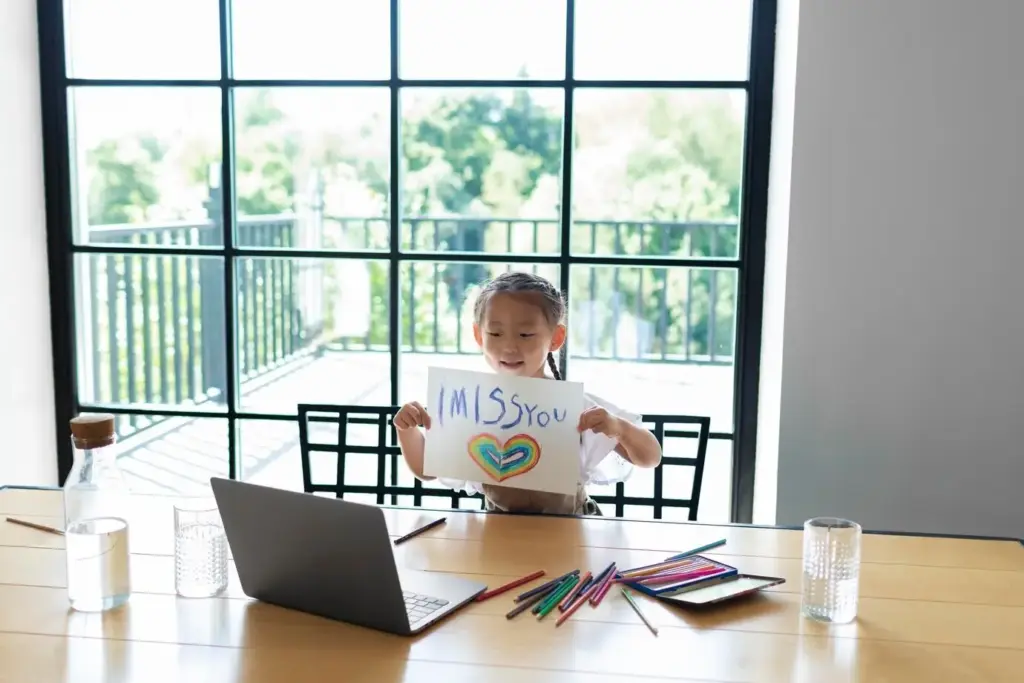
Use colorful visuals, simple roles, and short cycles that feature cooperative games and kindness missions. Emphasize turn-taking, emotion naming, and listening corners. Build routines that feel playful yet predictable. These gentle structures help young learners practice empathy and collaborative problem solving long before abstract vocabulary appears, laying foundations for confident communication that will mature naturally.

Secondary Depth and Rigor

Use colorful visuals, simple roles, and short cycles that feature cooperative games and kindness missions. Emphasize turn-taking, emotion naming, and listening corners. Build routines that feel playful yet predictable. These gentle structures help young learners practice empathy and collaborative problem solving long before abstract vocabulary appears, laying foundations for confident communication that will mature naturally.

Workplace and Community Programs

Use colorful visuals, simple roles, and short cycles that feature cooperative games and kindness missions. Emphasize turn-taking, emotion naming, and listening corners. Build routines that feel playful yet predictable. These gentle structures help young learners practice empathy and collaborative problem solving long before abstract vocabulary appears, laying foundations for confident communication that will mature naturally.

Stories From the Field: What Works

Real classrooms and programs reveal the power of small, intentional tools. A simple paraphrasing card calms heated moments. A timer reshapes participation equity. Teachers share how kits rebuilt trust after group breakdowns and unlocked leadership in quiet learners. These snapshots remind us that change often begins with a single prompt and a brave question.

Start Today and Share Your Build

Gather Materials in One Afternoon

Collect index cards, markers, colored paper, clip-on role badges, a small timer, and a folder for rubrics and prompts. Draft two authentic scenarios and three reflection questions. Label everything and add a quick-start guide. This simple, intentional bundle can transform tomorrow’s class into a high-energy practice space for listening, negotiating, and building trust under friendly constraints.

Pilot With a 20-Minute Mini-Lesson

Run a short scenario, observe with a micro-checklist, and capture quotes. Leave five minutes for self-assessment and one for celebration. Ask what felt fair, awkward, or exciting, then revise. Small wins compound quickly. Within a week, your learners will request more practice and begin transferring strategies into group work, hallway conversations, and peer mentoring naturally.

Join the Maker Circle

Share your kit layouts, custom scenarios, and rubric tweaks with fellow educators and facilitators. Compare notes on what resonates across ages and cultures. Subscribe for monthly challenges, add your voice in comments, and invite colleagues to co-create. Together we can refine, remix, and scale approachable tools that make empathy, communication, and collaboration stronger everywhere they are needed.
Luxetekofuputepuni
Privacy Overview

This website uses cookies so that we can provide you with the best user experience possible. Cookie information is stored in your browser and performs functions such as recognising you when you return to our website and helping our team to understand which sections of the website you find most interesting and useful.