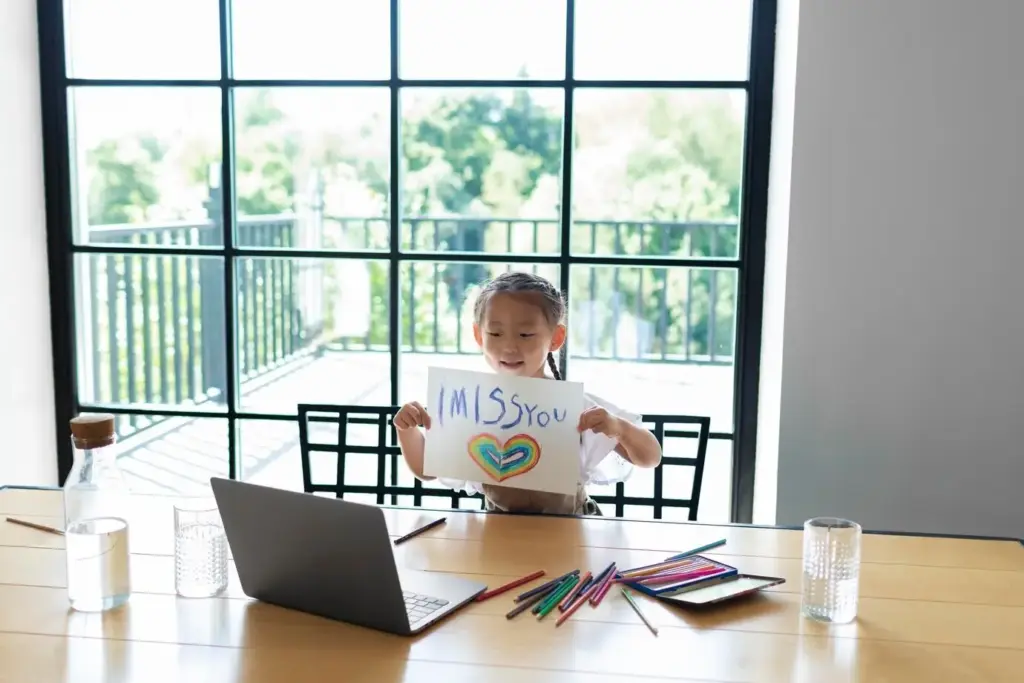
Printable Activity Packs That Grow Communication and Empathy

Today we’re focusing on printable activity packs for teaching communication and empathy. Expect practical, classroom-tested pages, from role‑play cards to feelings wheels, designed to spark dialogue, reduce conflicts, and strengthen belonging. Download, print, and try instantly, then share your reflections so we can iterate together and celebrate student growth.

Why Printable Packs Work in Real Classrooms

Evidence You Can Trust

Meta-analyses of social–emotional learning show improved behavior, attendance, and academic outcomes, especially when lessons are explicit, sequenced, and active. These printables follow that blueprint with clear routines, modeled language, and frequent practice checks, so you can confidently connect daily use to observable growth in communication and empathy over time.


Time-Saving Design

Print-and-go layouts minimize trimming and complex assembly, with blackline options, clear page numbers, and consistent icons guiding setup and cleanup. Reusable mats pair with cuttable cards, letting you mix activities quickly. Teachers report reclaiming minutes each period that convert directly into richer student conversations and debriefs.

Inclusive and Accessible Formats

High-contrast versions, dyslexia-friendly fonts, scaffolded prompts, and visual supports increase access without reducing rigor. Many pages include picture cues, sentence starters, and chunked tasks. Translation-friendly layouts and symbol keys make it easier to collaborate with families and aides, reinforcing consistent communication strategies across environments and languages.

Inside the Pack: Core Communication Builders

{{SECTION_SUBTITLE}}

Role-Play Scenario Cards

Students draw everyday dilemmas—interruptions, rumors, mixed signals—and rehearse responses using sentence stems and emotion check-ins. Facilitator notes suggest escalation and de-escalation choices. Repeating scenes with new roles builds agility, helping learners recognize body language, paraphrase meaning, and choose wording that keeps conversations open and relationships intact.

Active Listening Mats and Tokens

Printable mats outline steps: attend, observe, paraphrase, clarify, validate, and respond. Students slide tokens as they show each behavior, creating visible accountability. Reflection prompts invite partners to rate how heard they felt and suggest next steps, turning listening into a concrete practice with immediate, encouraging feedback loops.

Cultivating Empathy, Step by Step

Empathy grows through repeated, guided practice that connects feelings to actions. These printables emphasize emotional vocabulary, perspective sampling, and small daily kindnesses that change classroom climate. Tangible trackers and reflection cues help students notice patterns, repair harm, and celebrate the courage it takes to try again tomorrow.

Differentiation for Ages and Abilities

Growth looks different across ages, languages, and neurotypes. The printable structure stays familiar while supports shift: simplified visuals for emerging readers, richer dilemmas for adolescents, and scaffolded sentence frames for multilingual learners. Thoughtful options invite autonomy, ensuring every student experiences challenge, success, dignity, and genuine inclusion.

Assessment, Reflection, and Home Connection

Growth sticks when students can see it. These printables include simple rubrics, exit slips, and reflection journals that document progress while inviting honesty and hope. Family handouts extend practice beyond school, building shared language so home and classroom reinforce the same respectful, caring communication habits.

Quick Checks and Rubrics You Can Actually Use

Single-page rubrics focus on observable behaviors—paraphrasing, turn-sharing, eye contact, and repair attempts—so feedback feels fair, specific, and actionable. Exit slips add a student voice, capturing feelings of safety and belonging. Together they guide next steps and spotlight bright spots worth celebrating publicly and privately.

Student Journals That Build Metacognition

Prompts encourage learners to notice moments they felt proud, overwhelmed, or surprised, and to identify which strategies helped. Over time, entries reveal patterns and personal goals. Teachers can confer briefly using sticky notes, leaving encouragement and a concrete challenge to try during the next discussion.

Implementation Guides and Real-World Stories

Implementation succeeds when routines are predictable and joyfully human. This guide offers pacing suggestions, grouping tips, and real stories that illuminate small tweaks with big impact. You’ll see how teachers sustain momentum, celebrate tiny wins, and reframe setbacks as information, not failure or fate.
Luxetekofuputepuni
Privacy Overview

This website uses cookies so that we can provide you with the best user experience possible. Cookie information is stored in your browser and performs functions such as recognising you when you return to our website and helping our team to understand which sections of the website you find most interesting and useful.