
Parent-Led Homeschool Modules That Grow Soft Skills
Today we dive into parent-led homeschool modules for building kids’ soft skills, shaping everyday routines into powerful lessons in communication, collaboration, resilience, empathy, creativity, and leadership. Expect practical structures, relatable stories, and adaptable activities you can start right after breakfast. Share your wins, questions, and clever twists; your family’s experiments help other parents refine, celebrate progress, and keep the learning joyful and meaningful across changing seasons at home.
Why Home Is the Perfect Workshop

Daily Routines Become Practice
Turn breakfast into planning, errands into listening exercises, and dinner into storytelling circles. When learning rides alongside routine, consistency is easy and impacts last. A five-minute check-in clarifies intentions, while a two-minute reflection seals learning. These micro-moments are manageable for busy parents, predictable for children, and surprisingly effective at stitching resilient habits that carry through chores, lessons, playdates, and community events where kids naturally test and refine what they practiced.
Trust Fuels Honest Feedback
Kids risk trying new approaches when criticism won’t sting and praise is specific. Replace vague compliments with observations about choices and outcomes. Model curiosity by asking, “What worked? What felt hard? What’s one tweak?” This style builds metacognition and ownership. Over time, children invite feedback, internalize standards, and self-correct. Trust transforms corrections into collaboration, making growth feel safe and exciting rather than punitive, and building the courage to handle tougher conversations outside the home.
Friction Becomes a Teachable Moment
Arguments over toys, schedules, or screen time can either drain energy or teach negotiation and empathy. Use calm scripts, role-switching, and feelings vocabulary to reframe conflict as practice. Name needs, propose options, and agree on next steps. Keep it brief, repeatable, and respectful. Children remember how you handled tension more than what you said, and that memory becomes their inner voice when they advocate, compromise, and recover after inevitable mistakes with friends and teammates.
Designing Modules That Actually Stick
A successful parent-led module is simple, cyclical, and measurable in behavior, not just knowledge. Define one skill, choose two routines to practice it, add a five-minute reflection, and revisit weekly with fresh challenges. Think spiral, not straight line. You’ll see habits settle, then reawaken stronger through varied contexts. This approach respects attention spans, accommodates family rhythms, and creates satisfaction as kids notice concrete improvements that feel meaningful in real interactions beyond worksheets or lectures.
Set Clear, Behavior-Based Goals
Describe the target in observable terms: “Ask one clarifying question,” “Summarize a partner’s idea,” or “Identify emotions before responding.” Post goals on the fridge and point to them during practice. Keep goals few and focused so wins accumulate. When kids can see the goal, practice becomes a game. Align goals with family values—kindness, initiative, responsibility—so every effort feels personally relevant and worth repeating across schoolwork, chores, community events, and playful projects with siblings or friends.
Micro-Lessons and Spirals
Teach for five minutes, practice for ten, reflect for two, and repeat tomorrow. A tiny lesson on turn-taking today returns next week during a board game, then resurfaces during a group project. Spiraling prevents overwhelm and deepens mastery. Parents stay consistent because time demands stay small. Children steadily upgrade skills without boredom. Each cycle adds context, gently stretching comfort zones until behaviors feel natural in varied settings, including online spaces, clubs, and neighborhood collaborations or service opportunities.
Assessment Without Anxiety
Replace high-stakes tests with checklists, reflection prompts, and quick role-plays. Capture growth in a portfolio: audio clips, journal entries, photos, and simple rubrics. Celebrate small gains publicly at family meetings. Transparent, low-pressure assessment builds confidence. You’re measuring behaviors that matter—listening, initiative, collaboration—and kids learn to notice progress. Over time, self-assessment becomes routine, helping children prepare for feedback-rich environments like internships, clubs, and volunteer work where constructive critique is normal, welcomed, and genuinely transformative.
Listening First, Speaking Second
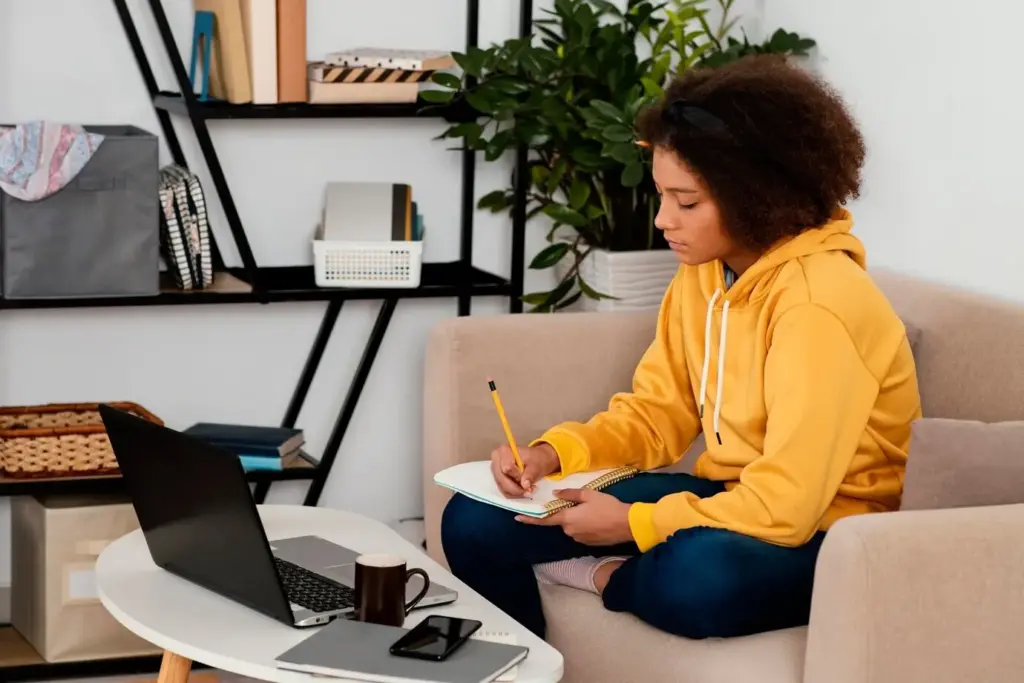
Practice reflective listening by paraphrasing a sibling’s idea before responding. Use simple stems: “I heard you say…” or “It sounds like you want…”. Pair this with nonverbal cues like eye contact, posture, and nodding. Keep rounds short to maintain focus. Listening melts defensiveness, reveals assumptions, and invites better questions. Children discover how understanding others first leads to smoother decisions, fewer arguments, and stronger friendships. This foundation elevates all later speaking practice, encouraging patience and mindful pauses.

Speaking With Structure
Teach a simple framework—Point, Reason, Example, Point Again. Kids practice with everyday topics, then graduate to explaining rules or pitching ideas. Timed turns encourage clarity; note cards support memory. Celebrate concise, kind phrasing over dramatic performance. Repetition builds presence without pressure. When children can outline thoughts quickly, they feel brave offering ideas in groups. That courage invites more practice, creating a positive loop where structure reduces anxiety and thoughtful expression gradually becomes second nature in varied settings.
Collaboration and Conflict Done Right
Teamwork at home mirrors teamwork everywhere. Household projects teach role clarity, shared goals, and repair after mistakes. Parent-led modules bring structure without rigidity—clear roles, quick huddles, and debriefs. Conflict isn’t failure; it is the syllabus. Kids practice disagreeing kindly, choosing compromises, and honoring deadlines. When collaboration feels fair and predictable, motivation rises. Families gain momentum as wins compound, and children transfer these skills into clubs, group classes, maker projects, and community events with genuine confidence and kindness.





Name It to Tame It
Post a feelings chart and practice labeling states throughout the day, not only during meltdowns. Pair labels with body cues—tight shoulders, fast breathing—and matching strategies like water, breath, or quick movement. Normalize checking in before tricky transitions. When kids can map their inner weather, decisions improve, independence grows, and empathy blossoms. Parents gain a shared vocabulary for offering support, preventing small frustrations from growing into overwhelming storms that derail learning, relationships, and the joyful energy of the day.

Empathy Walks and Perspective-Taking
Take short walks where each person retells a recent event from another person’s viewpoint, including feelings and unmet needs. Encourage neutral language and curiosity. This playful ritual trains flexible thinking and compassion. Back at home, apply insights to real disagreements. Children experience how understanding motives changes solutions. Over time, empathy becomes a reflex, enriching collaboration, storytelling, and conflict repair. It also strengthens community ties as kids notice who might need help and offer it proactively with sensitivity and care.
Real-World Projects and Community Impact
Soft skills strengthen when used for genuine purposes. Launch small, meaningful projects that help others: neighborhood clean-ups, library workshops, or kid-led donation drives. Parent-led modules provide structure while kids handle outreach, collaboration, and reflection. Each project offers stakes, feedback, and pride. You’ll collect artifacts for portfolios and memories for life. The community benefits, and children discover agency. They see that communication, empathy, and leadership are not abstractions—they are tools for building better places alongside neighbors and friends.

Service Sprints With Clear Outcomes
Pick a cause your child cares about, define a narrow goal, and schedule a weekend sprint. Use communication templates for emails, a checklist for supplies, and a reflection prompt after. Keep it achievable and celebratory. Kids practice initiative, planning, and gratitude. Photograph steps and gather quotes from participants. Each sprint adds confidence and evidence. Over time, children choose bolder projects, mentor peers, and see civic contribution as satisfying, practical, and genuinely within their reach as growing community members.
Entrepreneurial Mini-Challenges
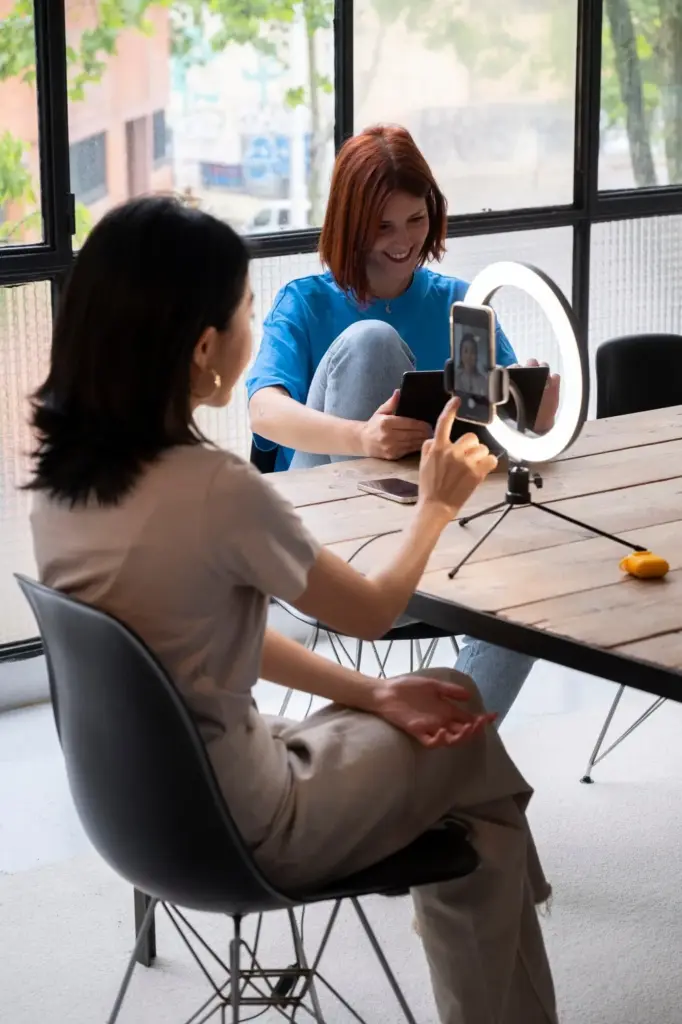
Run tiny ventures like a craft pop-up or digital design service for relatives. Kids test pricing, customer conversations, and delivery promises. Use debriefs to capture lessons and refine scripts. Emphasize honesty and kindness over profit. The stakes remain small while learning remains big. Children feel the thrill of ownership, the discipline of deadlines, and the responsibility of service. These experiences translate directly to leadership roles at clubs, internships, or collaborations requiring reliable communication and thoughtful, respectful negotiation skills.

Digital Citizenship With Purpose
Treat the internet as a community you contribute to, not a vending machine. Practice kind comments, fact-checking, and crediting creators. Create a family guide for tone, timing, and privacy. Produce small posts that help others—mini-tutorials, reflections, or gratitude notes. Kids learn that online presence shapes offline opportunities. Soft skills matter here too: empathy, clarity, and patience. With guidance, children transform screens into service, connecting with mentors and peers while honoring boundaries, safety, and the dignity of every voice encountered.